GUEST LECTURER PROGRAM
The Guest Lecture Program is one of the academic initiatives organized by the Faculty of Medicine, Universitas Muhammadiyah Palembang, to enrich students’ knowledge, insights, and learning experiences through direct engagement with experts, practitioners, researchers, and distinguished academics from various fields.
This program provides students with opportunities to gain broader perspectives on current developments in medical science, healthcare technology, research, and emerging issues at both national and international levels. Through interaction with experienced speakers, students are exposed not only to theoretical knowledge but also to practical applications and real-world challenges within the healthcare sector.
Guest lectures play a vital role in enhancing the quality of medical education by fostering academic excellence, encouraging critical thinking, and strengthening professional competencies. Furthermore, the program supports the development of academic networks and collaborations while preparing students to meet the evolving demands of the healthcare profession in a rapidly changing global environment.
By regularly hosting guest lectures from reputable institutions and industry leaders, the Faculty of Medicine, Universitas Muhammadiyah Palembang remains committed to providing a dynamic, innovative, and globally oriented learning environment that supports the development of competent, professional, and future-ready medical graduates.
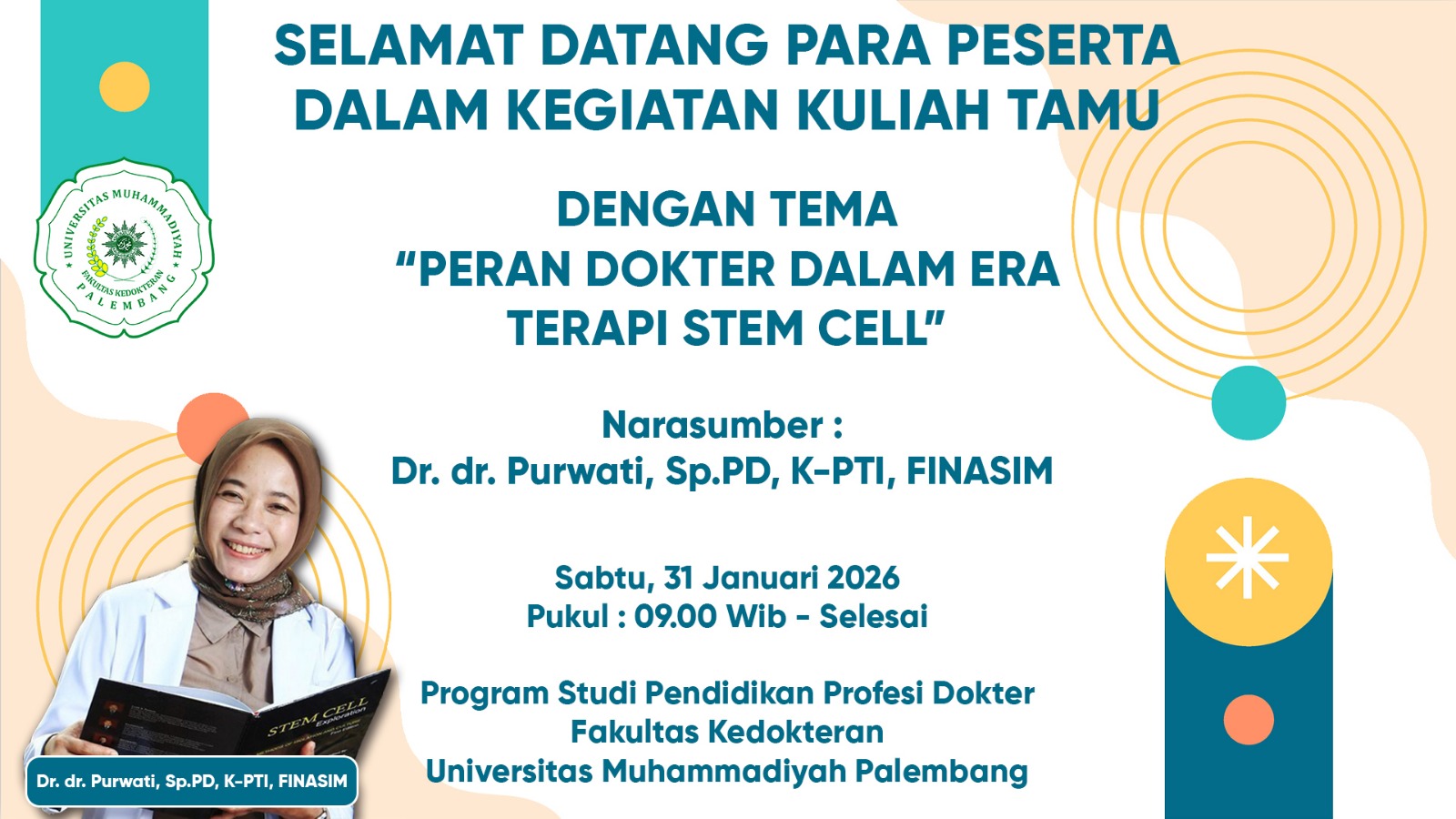
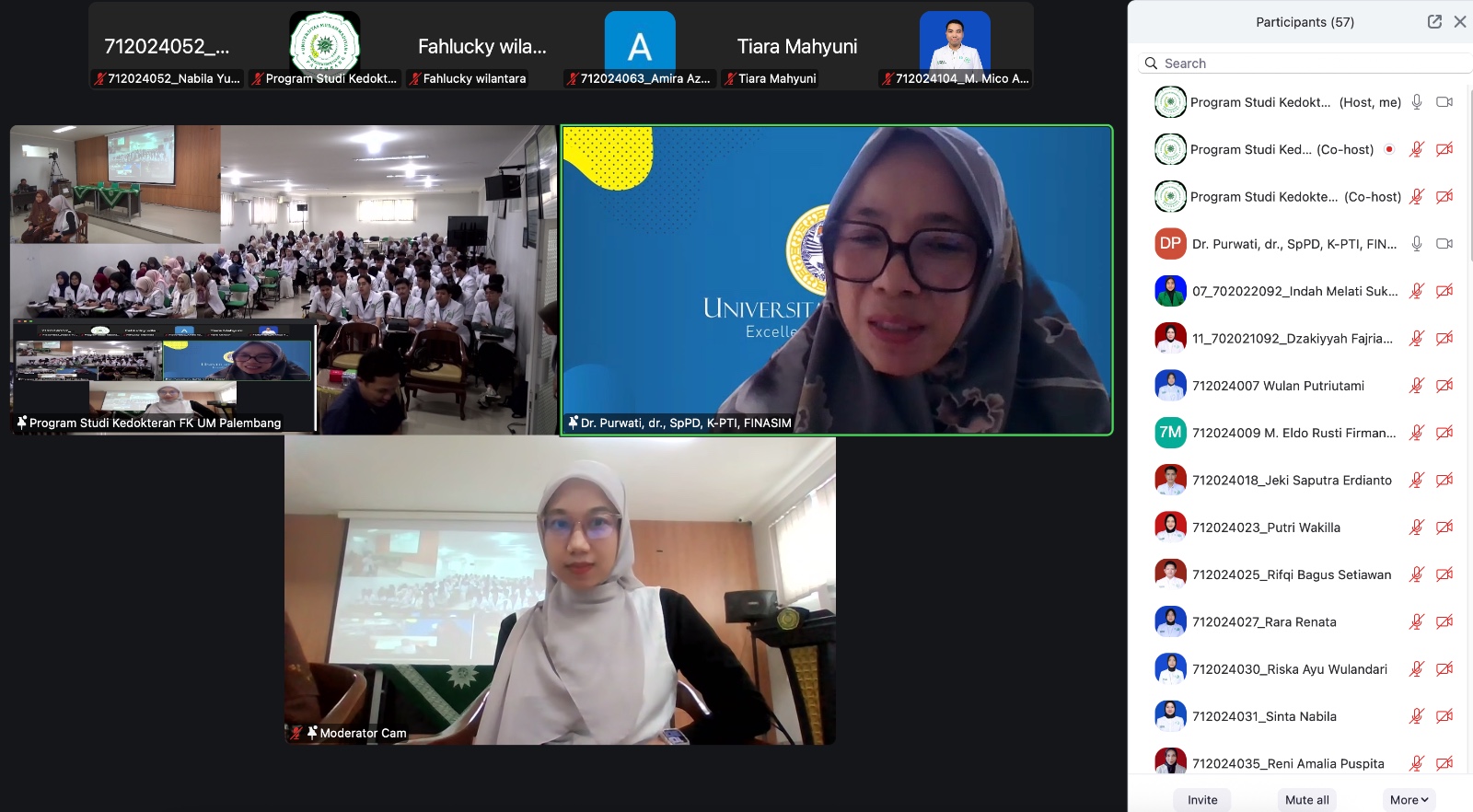
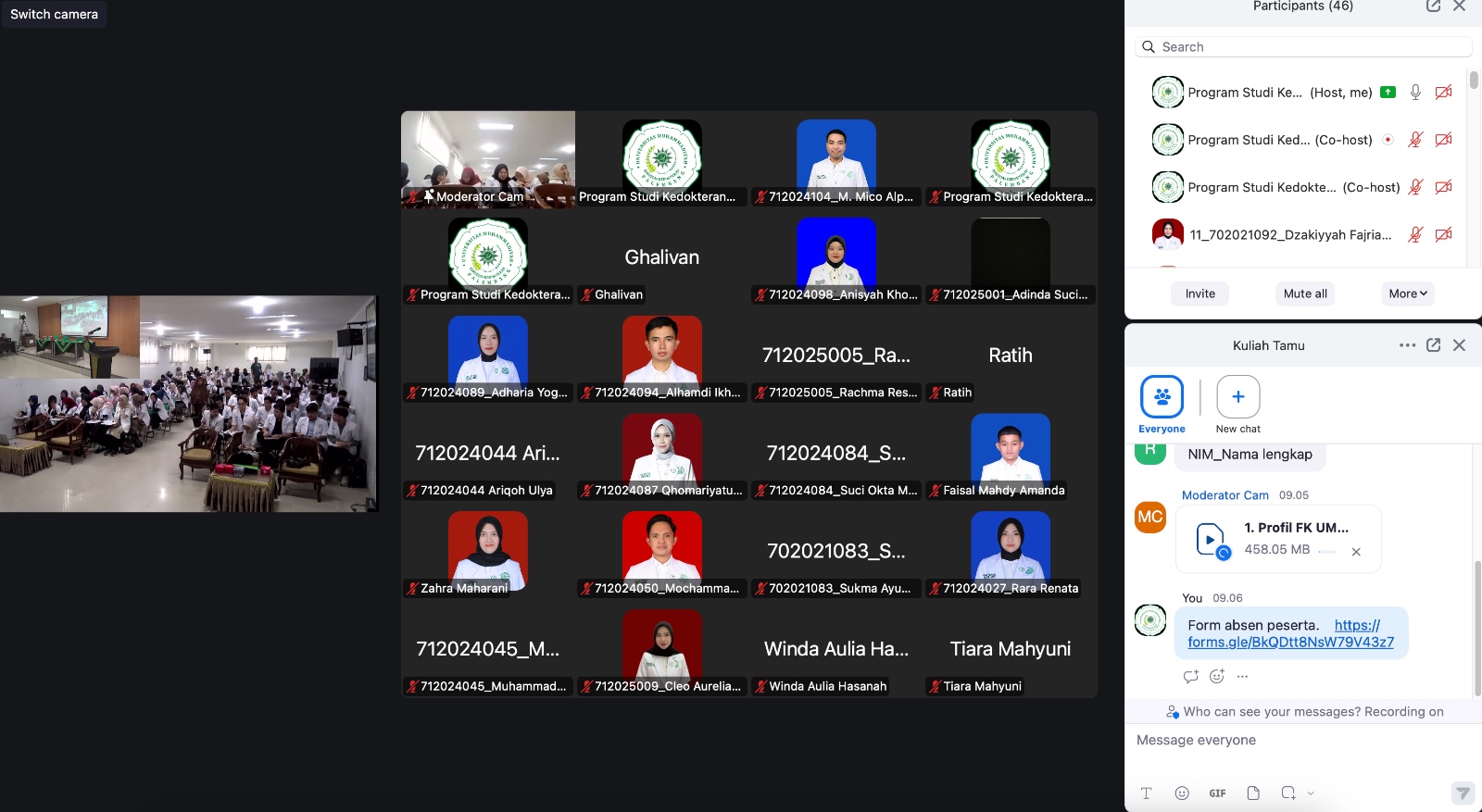
"The Role of Doctors in the Era of Stem Cell Therapy"
The field of medicine has experienced remarkable advancements in recent years, one of which is the development of stem cell–based therapy. Stem cell therapy has become an essential component of regenerative medicine and holds significant potential for the treatment of various degenerative diseases, autoimmune disorders, and tissue damage.
Although stem cell therapy is generally administered by specialists with specific expertise, general practitioners continue to play a strategic role as the frontline providers of healthcare services. General practitioners are instrumental in educating patients, conducting early detection and assessment, making appropriate referrals, and providing evidence-based information regarding safe and ethically sound stem cell therapies.
Therefore, students of the Medical Doctor Professional Education Program need to be equipped with a comprehensive understanding of the fundamental concepts of stem cell therapy, applicable regulations, ethical and legal considerations, as well as the role of general practitioners in daily clinical practice.
Through this guest lecture entitled “The Role of General Practitioners in the Era of Stem Cell Therapy,” students are expected to broaden their knowledge and enhance their preparedness as future physicians in responding to the rapid advancement of modern medical technologies.
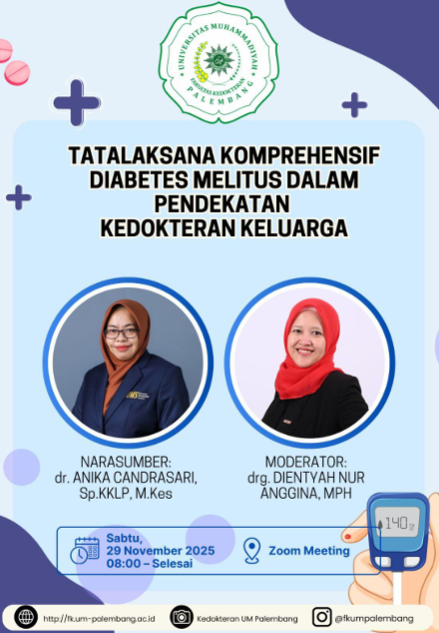
"Comprehensive Diabetes Mellitus Management Through a Family Medicine Approach"
Diabetes Mellitus is one of the major global health challenges, with its prevalence continuing to rise worldwide, including in Indonesia. This disease not only affects patients’ physical health but also has significant impacts on their quality of life, family finances, and the healthcare system as a whole. Therefore, the management of Diabetes Mellitus requires a comprehensive and continuous approach that focuses not only on glycemic control but also on prevention, patient education, and the active involvement of patients and their families in the care process.
The family medicine approach emphasizes holistic, patient-centered, and continuous healthcare throughout the life cycle. In the context of Diabetes Mellitus management, this approach views the patient as part of a family and social environment that plays a crucial role in the successful management of the disease. Through this perspective, physicians are expected to provide integrated healthcare services that encompass not only curative care but also promotive, preventive, and rehabilitative measures.
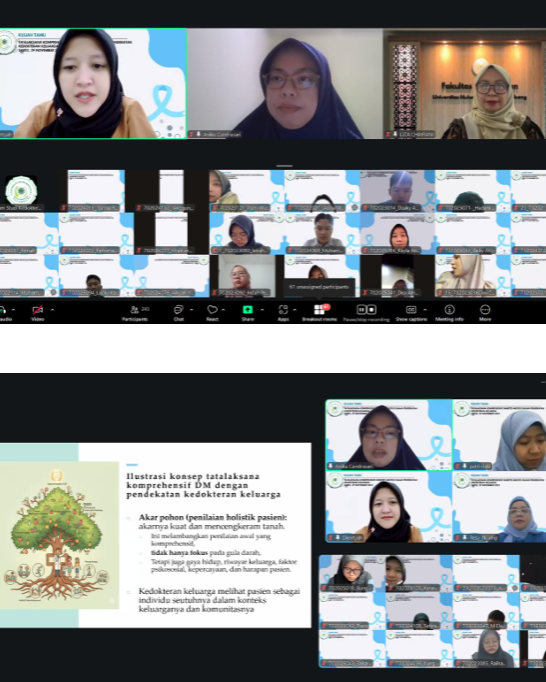
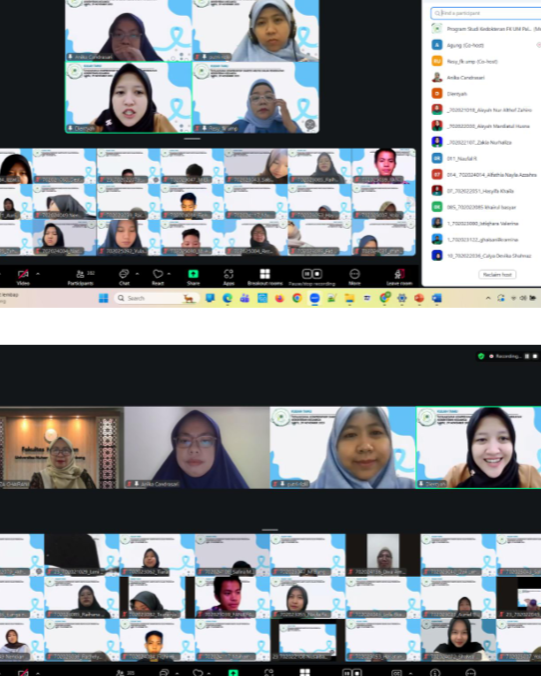
By adopting a family medicine approach, Diabetes Mellitus can be managed more comprehensively and effectively. In response to this need, the Medical Study Program of the Faculty of Medicine, Universitas Muhammadiyah Palembang (FK UM Palembang), intends to organize a guest lecture in the form of a webinar via Zoom entitled “Comprehensive Management of Diabetes Mellitus in a Family Medicine Approach.” This activity is intended for students of the Medical Study Program and the Medical Doctor Professional Education Program, with the aim of enhancing their knowledge and understanding of comprehensive diabetes management within the framework of family medicine.
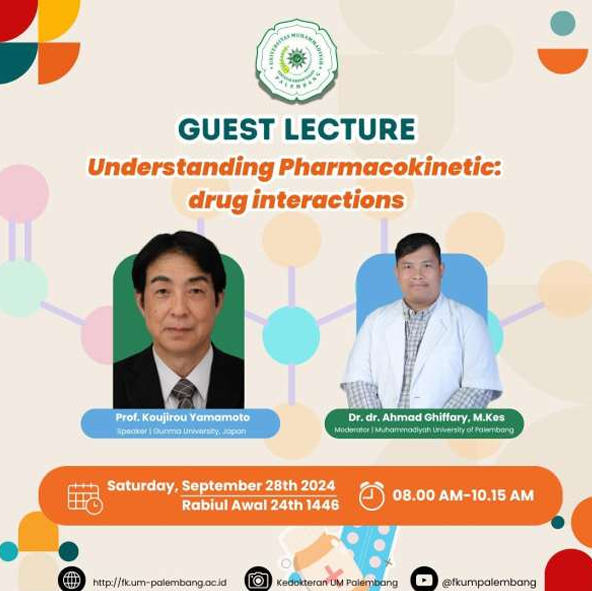
UNDERSTANDING PHARMACOKINETIC : DRUG INTERACTIONS
In pharmacology, drug interactions may lead to undesirable reactions, toxic side effects, or reduced clinical efficacy when two or more medications are administered simultaneously for the treatment of one or more medical conditions. These interactions are generally classified into two major underlying mechanisms: pharmacokinetic and pharmacodynamic interactions.
The pharmacological effects of one or both drugs may be enhanced or diminished, and in some cases, new and unexpected adverse effects may occur, potentially resulting in serious or even fatal consequences. Pharmacokinetic interactions involve changes in drug absorption, distribution, metabolism, and excretion, which can alter plasma drug concentrations and subsequently affect drug bioavailability.
Drug interactions at the metabolic level may influence metabolic enzymes responsible for drug activation or inactivation. When drug metabolism is inhibited, the drug may remain in the body for a longer period, leading to increased plasma concentrations and a higher risk of secondary toxic effects. Conversely, enhanced metabolism may reduce plasma drug concentrations and decrease bioavailability, potentially compromising therapeutic efficacy.
From a pharmacodynamic perspective, drugs may interact by acting on the same receptor system. Two receptor agonists or two receptor antagonists may produce additive or synergistic pharmacological effects, whereas an agonist and an antagonist may counteract each other’s actions, resulting in reduced therapeutic effects. In certain cases, one drug may induce biochemical changes that alter the body’s sensitivity to the toxicity or therapeutic effects of another drug
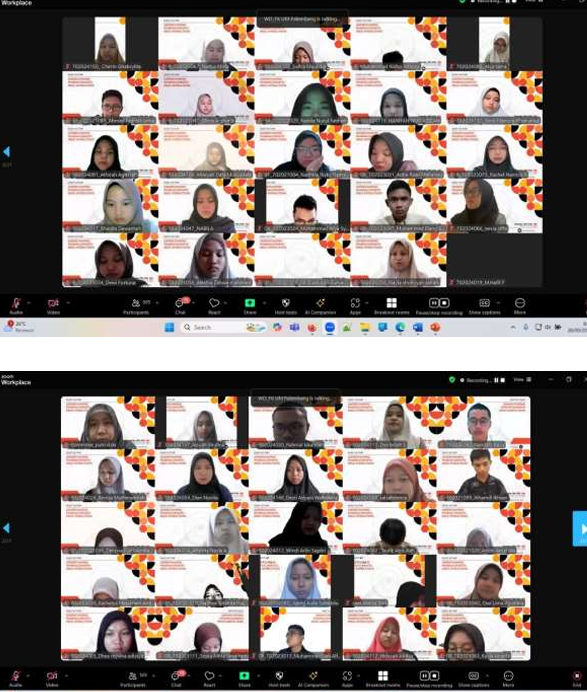
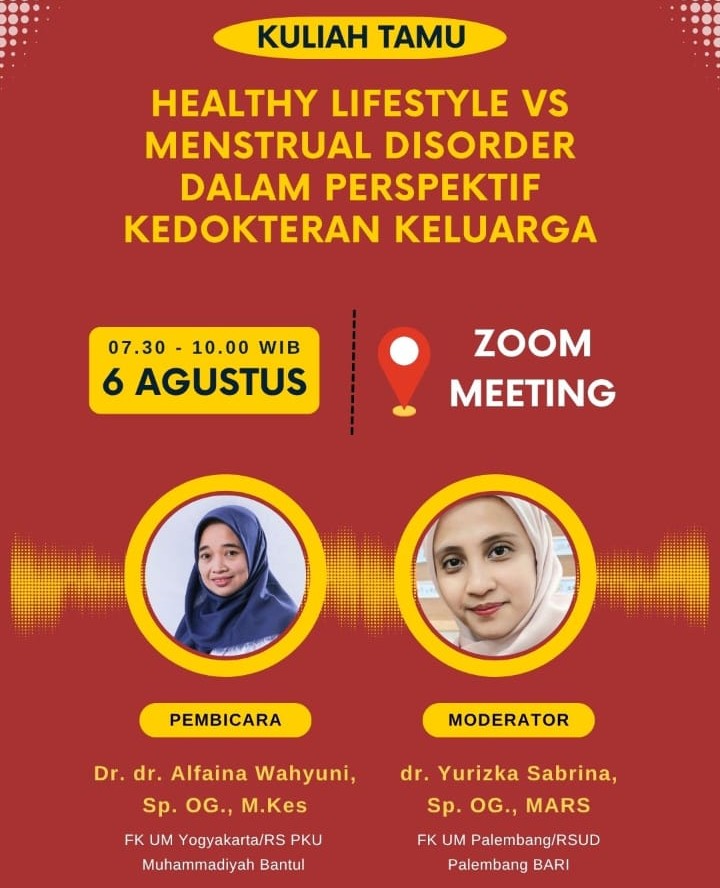
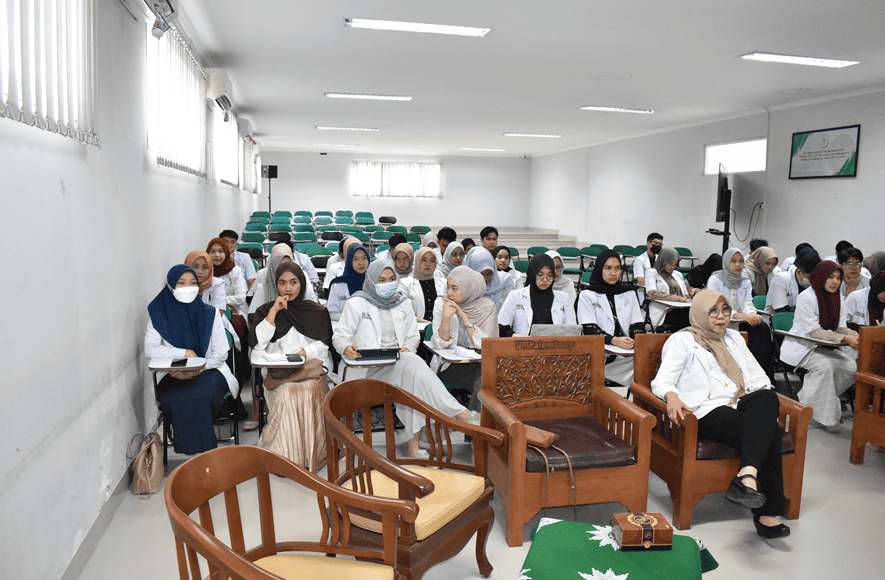
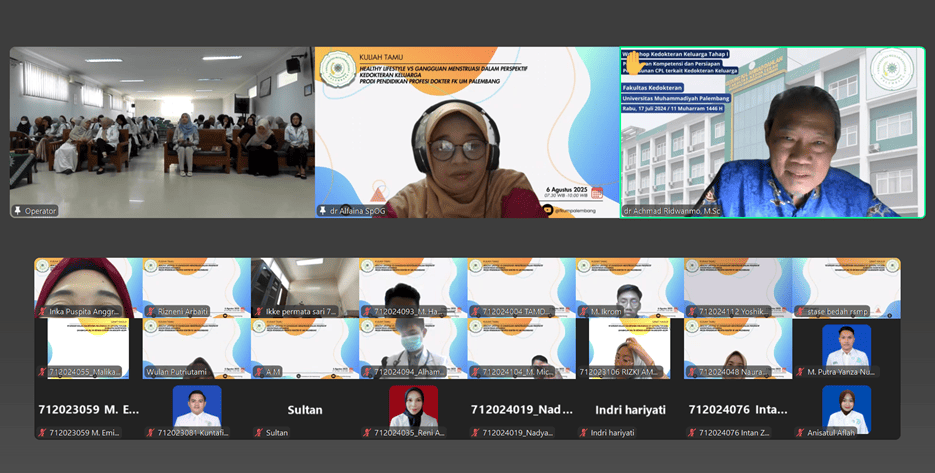
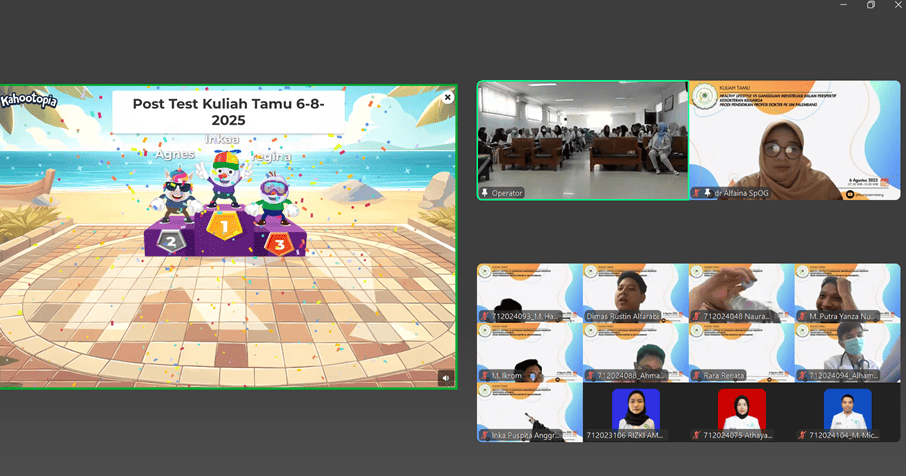
"Healthy Lifestyle and Menstrual Disorders: A Family Medicine Perspective"
Menstrual disorders are among the most common health problems experienced by women of reproductive age and are often not managed comprehensively. In clinical practice, these conditions are not only associated with biological factors but are also strongly influenced by patients’ psychosocial conditions and lifestyle habits.
From the perspective of family medicine, menstrual disorders should be viewed as part of an individual’s overall health within the context of family and social environments. Therefore, the role of physicians extends beyond diagnosis and treatment; they also serve as educators and counselors who promote healthy lifestyle changes through a holistic and continuous approach to patient care.
A healthy lifestyle, including a balanced diet, regular physical activity, effective stress management, and adequate sleep, has been shown to play a significant role in reducing the risk of menstrual disorders. Understanding the relationship between lifestyle factors and the menstrual cycle is essential, particularly for medical students who will serve as frontline healthcare providers in primary care settings based on the principles of family medicine.
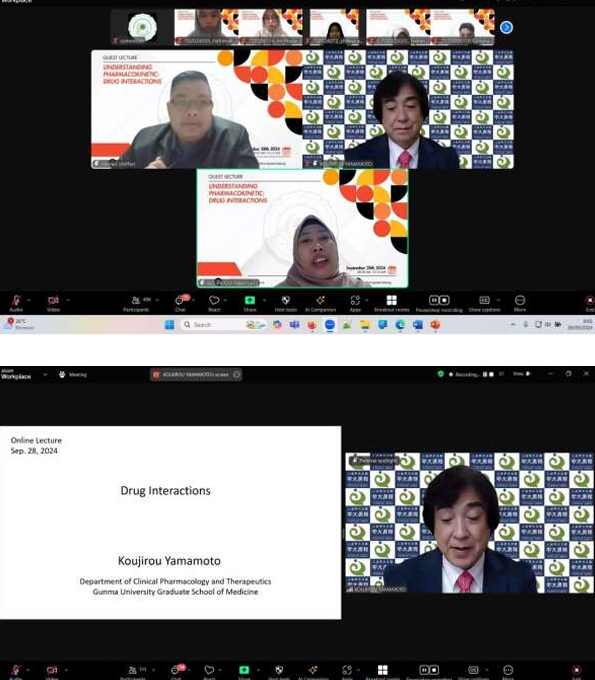
Through the guest lecture entitled “Healthy Lifestyle and Menstrual Disorders: A Family Medicine Perspective,” students are expected to gain a deeper understanding of the importance of promotive and preventive interventions. Furthermore, the lecture aims to enhance their ability to apply effective communication skills and a holistic approach when managing female patients presenting with menstrual health concerns.
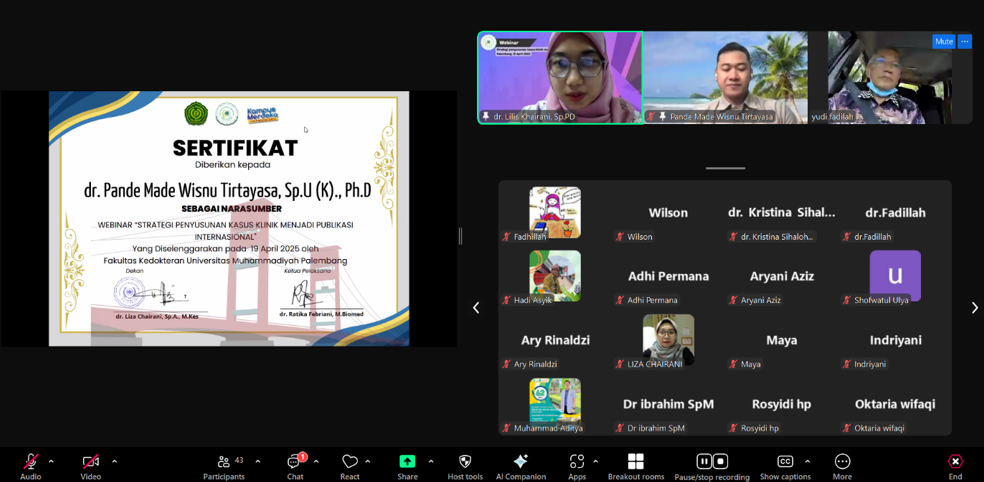
Strategies for Transforming Clinical Cases into International Publications
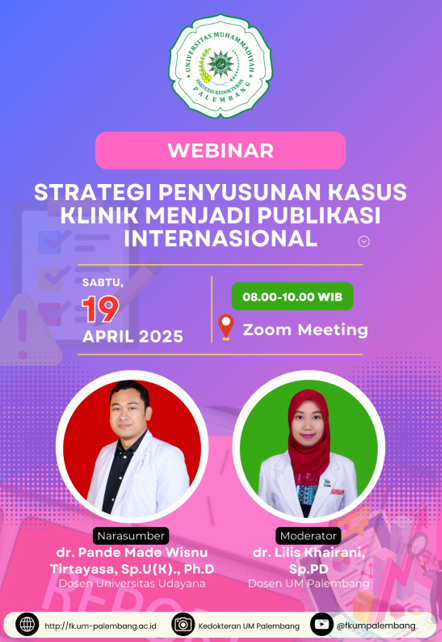
In the era of globalization, the demand for producing high-quality scientific publications continues to increase, particularly in the field of healthcare. Scientific publications serve not only as indicators of academic achievement but also as important platforms for disseminating knowledge and sharing new findings with the broader scientific community. One form of scientific publication that plays a significant role is the case report, which documents unique, rare, or noteworthy clinical cases encountered in medical practice.
Although writing a case report may appear straightforward, the process requires a thorough understanding of scientific writing principles, publication ethics, and appropriate methods of presenting clinical data in accordance with international journal standards. Many students, lecturers, and healthcare professionals possess valuable clinical experiences that could contribute to the scientific literature; however, they often face challenges due to limited knowledge and experience in preparing manuscripts and submitting them to reputable international journals.
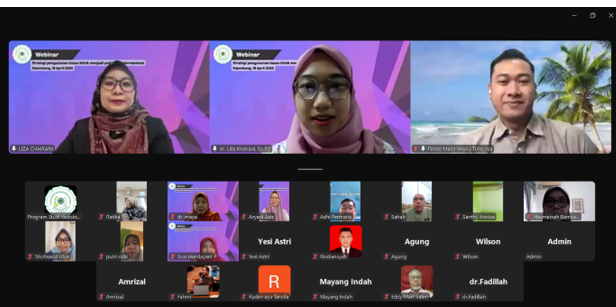
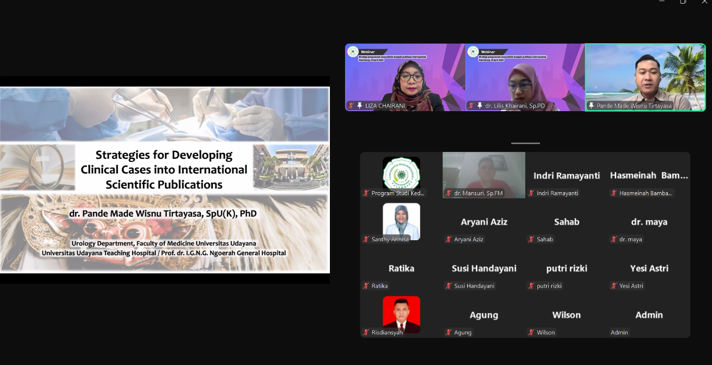
In response to this need, the Medical Study Program of the Faculty of Medicine, Universitas Muhammadiyah Palembang (FK UMP), intends to organize a guest lecture via Zoom entitled “Strategies for Developing Clinical Cases into International Publications.” This activity is intended for lecturers of the Medical Study Program and the Medical Doctor Professional Education Program.
Through this guest lecture, participants will receive direct guidance from an experienced speaker in the field of international scientific writing and publication. The program is expected to serve as an initial step toward strengthening scientific writing capacity within the institution and encouraging a greater number of high-quality publications that contribute meaningfully to the advancement of healthcare knowledge at the global level.
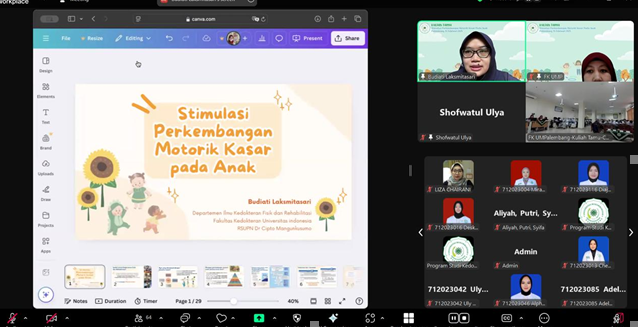
Stimulation of Gross Motor Development in Children
The Indonesian Medical Doctor Competency Standards (Standar Kompetensi Dokter Indonesia/SKDI) serve as the minimum competency standards for medical graduates and provide guidance for Medical Study Programs in designing and implementing their educational processes. In the current era, advances in science and technology are occurring at an unprecedented pace, including in the field of medicine. This development requires medical schools to produce professional physicians who possess strong ethical and moral values, up-to-date knowledge and clinical skills, and the ability to communicate effectively in order to establish positive doctor–patient relationships.
In clinical practice, medical graduates are expected to master a wide range of clinical skills required for diagnosing and managing health problems. According to the SKDI, clinical competencies can be continuously enhanced through ongoing education and professional training. One of the clinical skills categorized under Competency Level 4 is pediatric physical examination, which includes the assessment of child growth and development, encompassing fine motor skills, gross motor skills, psychosocial development, and language development.
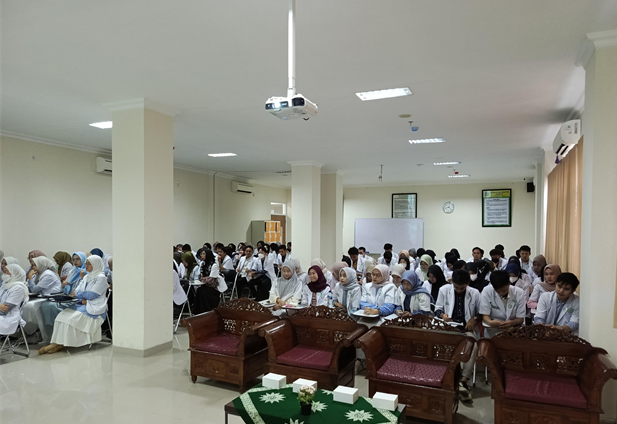
To strengthen these essential clinical competencies, the Medical Doctor Professional Education Program of the Faculty of Medicine, Universitas Muhammadiyah Palembang (FK UMP), is organizing a guest lecture in the form of a webinar entitled “Gross Motor Development Stimulation in Children.” This activity is intended for students of the Medical Doctor Professional Education Program and aims to enhance their knowledge and clinical skills in assessing and promoting optimal child development as part of comprehensive pediatric healthcare.

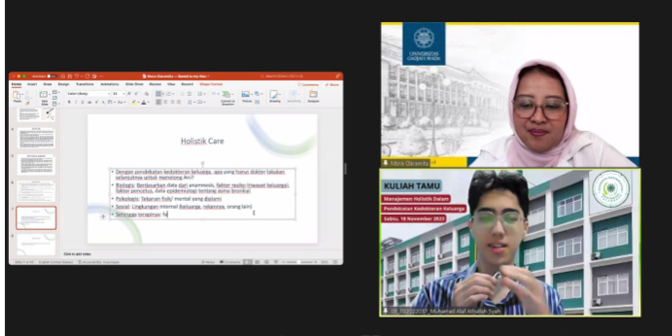
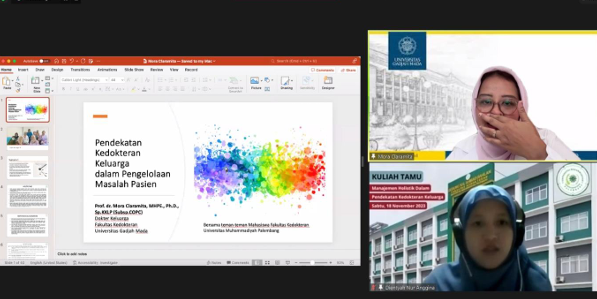
Holistic Management in a Family Medicine Approach
Family medicine is a medical specialty within primary healthcare that provides continuous and comprehensive care for individuals and families regardless of age, gender, disease, or organ system. Physicians practicing in this field, commonly known as family physicians, serve as primary care providers who address a wide range of health concerns while maintaining long-term relationships with their patients.
Holistic management refers to an approach that considers the individual as a whole by addressing biological, psychological, social, and spiritual aspects of health. This holistic approach is implemented through various strategies, including medical treatment, health education, supportive communication, counseling, patient and family support, as well as complementary therapies when appropriate. Furthermore, holistic care takes into account the therapeutic impact of healthcare interventions not only on the patient but also on the patient’s family and the wider community.
Understanding the comprehensive aspects of holistic management is one of the key components that shape the autonomy and professional competence of family physicians. This approach enables healthcare providers to identify and address patients’ needs in a more systematic, scientific, and patient-centered manner. By integrating medical knowledge with psychosocial and environmental considerations, family physicians can deliver healthcare services that are both effective and sustainable.
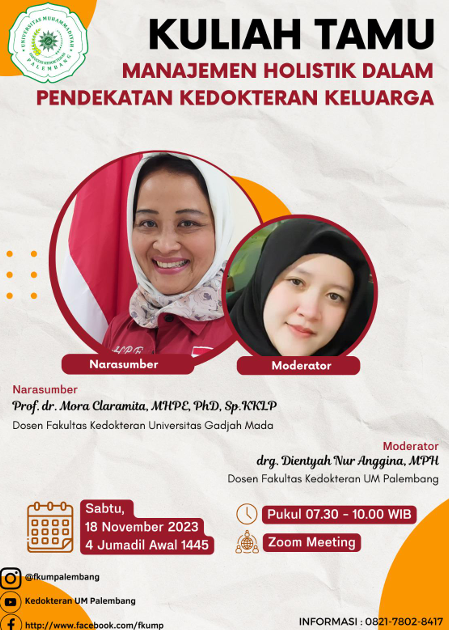
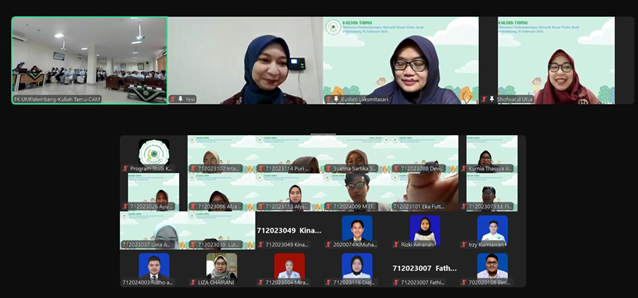
In response to the importance of this approach in modern healthcare practice, the Faculty of Medicine, Universitas Muhammadiyah Palembang, is organizing a guest lecture entitled “Holistic Management in a Family Medicine Approach.” This lecture aims to enhance participants’ understanding of holistic patient care and strengthen their ability to apply comprehensive family medicine principles in clinical practice.